An Igbo Elder's Forgotten Wellness Method That Has Helped Over 200 Nigerians Calm Chronic Ulcer Discomfort — Now Used by Men and Women Who Are Tired of Antacids That Rent Relief, Diets That Contradict Each Other, and a Stomach That Burns Every Time They Sit Down to Eat (A Companion to Your Medical Care, With Traditional Igbo Foods)
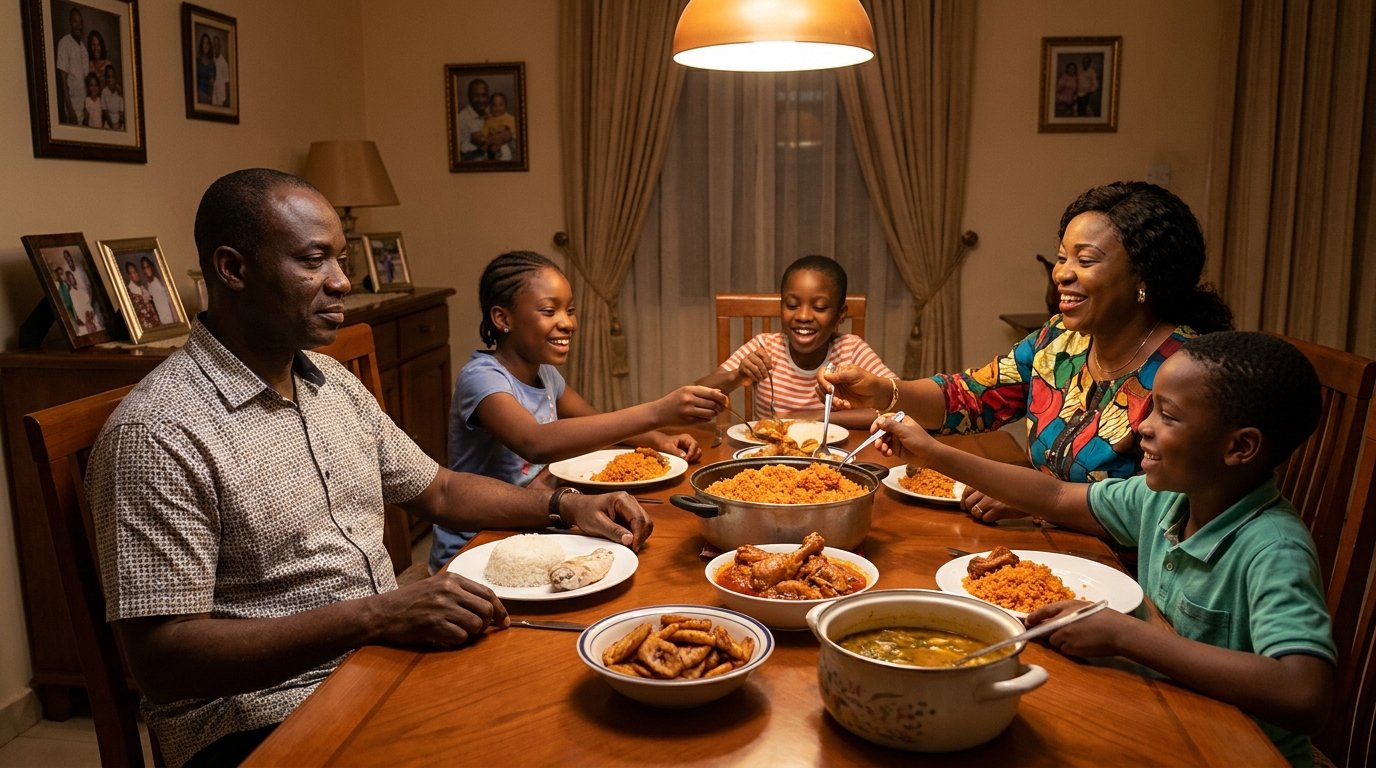
Every meal ends the same way.
The burning.
Not immediately. That would be too predictable. The burning waits. 20 minutes. Sometimes 40. Long enough for you to think: maybe this time, it won't come. Long enough to sit at the table with your family and pretend you're enjoying the food instead of monitoring the first signal from your stomach.
Then it arrives. The slow heat behind the sternum. The rising pressure. The acid climbing. And you know: the next 2 hours belong to the burning, not to you. You'll excuse yourself from the table. You'll reach for the antacid. You'll wait for the wave to pass. You'll wonder, for the thousandth time, why your stomach punishes you for the simple act of eating.
The burning after breakfast. The burning after lunch. The burning after dinner. The burning that wakes you at 2am. The burning when you're stressed. The burning when you're hungry. The burning when you eat too quickly, too slowly, too much, too little, or anything with pepper, oil, acid, or flavour.
The burning has turned eating from a pleasure into a negotiation. Every meal is a calculation: what can I eat that won't trigger the burning? And the answer keeps shrinking until your diet is so restricted that you're eating like a hospital patient at your own dining table.
If the burning follows every meal, if your antacid gives you 30 minutes then quits, if you've forgotten what it feels like to eat without calculating, if your stomach has turned your family table into a place of quiet endurance instead of enjoyment, keep reading.
My name is Obiora. I'm 48. I live in Lagos. I'm from Anambra State. I work in logistics.

And for 5 years, the burning controlled what I ate, when I ate, how I ate, and whether I could sit at my own table without excusing myself 20 minutes after the first bite. Until a 75-year-old Igbo elder named Baba Nnamdi showed me what the omeprazole, the Maalox, and the market herbs were never designed to do.
The Sunday Rice I Couldn't Eat
It was a Sunday in September. My wife had cooked jollof rice. The kind she makes for special occasions. Smoky. Perfectly peppered. The rice I married into, the joke I used to make.
My plate was different. Boiled white rice. Steamed fish. No pepper. No seasoning. No flavour. The "ulcer plate" my wife now prepares automatically because she knows what happens when I eat what everyone else eats.
My children were eating jollof rice with chicken, laughing, reaching for second servings. My wife was eating jollof rice. I was eating boiled rice and watching my family enjoy a meal I could smell but not touch.
My daughter, 12, looked at my plate. "Daddy, why don't you eat Mummy's rice?"
"My stomach doesn't agree with it."
"Is your stomach ever going to agree with anything nice?"
She said it innocently. No malice. A child asking why her father eats differently from everyone else at the table. But the question hit me like a verdict: is your stomach ever going to agree with anything nice?
I excused myself. Went to the kitchen. Stood at the sink. And felt the thing I'd been suppressing for 5 years: I am 48 years old and my stomach has stolen my place at my own family table. I eat like a patient. I calculate like an accountant. And the burning comes anyway. Even the boiled rice triggers it sometimes. Nothing is safe. Everything is a negotiation my stomach wins.
That Sunday, I decided: I need to understand why the burning keeps returning. Not what to take when it arrives. Why it ARRIVES. Because 5 years of antacids and omeprazole have managed the burning without ever stopping it from coming back.
Five Years of Managing Without Fixing
The ulcer was diagnosed at 43. An endoscopy confirmed gastric ulceration. H. pylori positive. Two rounds of triple therapy antibiotics. ₦45,000 for both rounds. The H. pylori cleared according to the follow-up test. But the burning continued. The gastroenterologist said: "The bacteria is gone but the lining is damaged. It needs time to heal. Take omeprazole daily."
Omeprazole. ₦3,000/month. The proton pump inhibitor that reduces stomach acid so the lining can heal. It helped. The burning softened for 2-3 weeks after starting. Then it returned. Not as severe. But present. The doctor increased the dose. Better for a month. Then the burning adjusted, found the new normal, and settled in at a lower but PERSISTENT level. The fire was smaller but it never went out.
Maalox became my second companion. ₦1,500/bottle. One bottle lasted 5 days because I took it after every meal and at 2am when the burning woke me. 6 bottles/month. ₦9,000/month on a chalky liquid that gave me 30 minutes of relief and constipation as a side effect. ₦108,000/year to rent 30-minute windows of peace between meals.
Then the diet advice. My doctor said: "Avoid spicy food, acidic food, alcohol, caffeine, and fried food." The internet said: "Eat small frequent meals." A blog said: "Banana heals ulcers." Another blog said: "Banana increases acid." A forum said: "Drink milk." My doctor said: "Milk temporarily soothes then stimulates MORE acid." Every source contradicted every other source. My diet became an anxious patchwork of restrictions that left me eating 4 items on rotation: boiled yam, steamed fish, white rice, and plain bread. And the burning came even for those.
The herbal route: a market preparation from Onitsha. ₦8,000. "Cures ulcer permanently." I drank it for 2 weeks. Stomach cramps. Diarrhoea. An emergency visit to the gastroenterologist. ₦15,000 for tests. "Mr. Obiora, whatever you drank irritated the lining further. Please stop self-medicating." ₦23,000 to make the problem worse.
Total in 5 years: over ₦180,000. Omeprazole that managed without healing. Maalox that rented 30-minute peace. Diet advice that contradicted itself. Market herbs that irritated what they promised to cure. And the burning. Still there. After every meal. At 2am. On Sunday afternoons when my family eats jollof rice and I eat boiled yam.
The Elder Who Ate Pepper Soup and Smiled
December 2025. I travelled home to Anambra for Christmas. My extended family gathered at the family compound. The usual: music, prayer, food. A LOT of food. Jollof rice, egusi soup, pepper soup, suya, chin chin. The full spread of Igbo celebration.
I sat with my boiled yam and fish. The "ulcer plate" had followed me from Lagos to Anambra. My cousin noticed. "Obiora, what is this? During Christmas? Eat real food."
"My stomach. You know."
Across the compound, I watched an elderly man I hadn't seen in years. Baba Nnamdi. 75 years old. A retired traditional wellness practitioner from our community. The kind of elder who spent his life understanding how the body responds to the things Igbo people eat, prepare, and grow.
What I noticed about Baba Nnamdi was not his conversation. It was his PLATE. He was eating pepper soup. With fish. With PEPPER. At 75. Eating the food that would have sent my 48-year-old stomach into a 2-hour rebellion. And he was eating it slowly, comfortably, with the calm satisfaction of a man whose stomach was at peace.
After the meal, I approached him. "Baba, I saw you eating pepper soup. I haven't eaten pepper soup in 3 years. How?"
He looked at my plate of boiled yam. Then at me.
"Obiora, your stomach is not your enemy. Your stomach is WOUNDED. The medications you take are like painkillers for a wound: they reduce the pain, but they don't heal the tissue. The antacids coat the wound. The omeprazole reduces the acid that touches the wound. But nobody is HEALING the wound. Nobody is feeding the tissue that needs to repair. Nobody is removing the irritants that keep re-opening it."
"In our tradition, when a man has a stomach wound, you don't just reduce the pain. You nourish the lining. You feed it the preparations that support tissue repair. You remove the foods that irritate and introduce the foods that soothe. And you give the stomach TIME to heal properly, not just time without pain. Healing and pain management are not the same thing."
He taught me a method he had practised for 40 years in our community:
Part 1: The Stomach Lining Restoration Preparation. A natural Igbo preparation using market ingredients that nourishes and supports the healing of damaged stomach lining. Not a painkiller. Not an acid reducer. A tissue supporter. Taken twice daily alongside your medication. Under ₦2,000/month.
Part 2: The Igbo Food Reset. Specific Nigerian and Igbo foods that IRRITATE damaged stomach lining (some I ate daily thinking they were "safe") and foods that actively support lining repair. The reset doesn't eliminate flavour. It REDIRECTS it. You eat real food. Just the RIGHT real food. Pepper soup returns. Flavour returns. The bland prison ends.
Part 3: The Evening Calm Protocol. What to eat, drink, and do in the 3 hours before bed to reduce overnight acid production and prevent the 2am burning. The night protocol specifically targets the sleep interruption that ulcer sufferers accept as permanent.
"Follow it alongside your omeprazole for 21 days," he said. "Don't stop the medication. Add this. The omeprazole reduces the acid. The preparation heals the tissue the acid touches. Together, they do what neither does alone. By Day 14, the burning after meals will soften. By Day 21, your wife will only need to cook one meal."
Days 1-6: Still Burning
I started on a Monday back in Lagos. Preparation twice daily alongside my omeprazole. Food adjustments at every meal. Evening calm protocol before bed.
Day 3: lunch. Burning 25 minutes later. Same intensity. Same duration.
Day 6: I stood in my kitchen with a glass of the preparation and thought: "The old man has given me Igbo market ingredients and told me which foods to change. I've already spent ₦180,000. How is a traditional preparation going to heal what 5 years of omeprazole couldn't?"
Then Baba Nnamdi's voice: "The omeprazole reduces acid. The preparation heals tissue. Tissue doesn't heal in 6 days. The lining has been damaged for 5 years. It is being fed now, nourished, supported. By Day 10, the burning after meals will begin softening. Not disappearing. Softening. The softening is the tissue responding. The healing follows the softening."
I continued.
Day 11: The Burning Was Softer
Lunch. Rice with stew (mild stew, from the food reset). I waited. 20 minutes. 30 minutes.
The burning came. But it was different. Softer. Shorter. Where the usual burning lasted 90 minutes and required Maalox, this one lasted 40 minutes and faded on its own. Without the antacid. The acid was the same (omeprazole was managing that). But the TISSUE was responding differently. The lining was less raw. Less reactive. The burning was softening because the wound was beginning to close.
Day 14: lunch. The burning came at 35 minutes instead of 20. Lasted 20 minutes instead of 90. And it wasn't burning. It was warmth. A dull, manageable warmth that faded without intervention.
Day 21: I Ate Pepper Soup
A Saturday evening. My wife cooked pepper soup. Not for me. For the family. The usual arrangement: their meal and my bland alternative.
I served myself a small bowl of pepper soup. My wife looked at me. "Obiora?"
"Small bowl. Let me try."
I ate it slowly. Catfish. Pepper. Utazi leaf. The flavour I hadn't tasted in 3 years. The smell that used to be torture because I could smell it but not eat it.
I waited. 20 minutes. 30 minutes. 40 minutes.
No burning. No warmth. No pressure. No climbing acid. Nothing. My stomach received the pepper soup the way a stomach is supposed to: as food. Not as an attack.
My wife watched me for an hour. Waiting for the excuse to the kitchen. The reach for the Maalox. The quiet retreat.
None of it came.
"Obiora, are you... okay?"
"I'm okay. I'm actually okay."
She cooked one meal the next evening. Not two. One. For the first time in 3 years, I sat at my family table eating the same food as my wife and children. No separate plate. No bland alternative. No negotiation. Just a man eating dinner with his family. The way it's supposed to be.
What Changed Beyond the Stomach
The Maalox. I stopped buying it. 6 bottles/month. ₦9,000/month. ₦108,000/year. Gone. The shelf in the kitchen where I kept 3 bottles at all times is empty. My stomach doesn't need a 30-minute rental of peace anymore because the peace is becoming permanent.
The omeprazole. I discussed reducing the dose with my gastroenterologist. He reviewed my symptoms, confirmed the improvement, and agreed to a gradual taper. From 40mg to 20mg. If the improvement holds, we may discontinue. The tissue is healing. The acid management can reduce as the wound closes.
The 2am burning. Gone. The evening calm protocol addressed exactly what was filling my stomach with acid overnight. I sleep through the night. The 2am walk to the kitchen for Maalox is a memory.
The family table. One meal. Every evening. I eat what my family eats. Jollof rice. Egusi soup. Pepper soup. My daughter no longer asks why Daddy eats different food. Because Daddy doesn't anymore.
I Wasn't the Only One
My brother. 52. Ulcer for 7 years. "Obiora, the food reset was the key. I was eating 'safe' foods that were actually irritating the lining: excess bread, processed juice, certain teas. Changed 4 items and the burning reduced within 10 days. By Day 21, I ate ofe nsala for the first time in 4 years. No burning."
My colleague. 38. Early-stage ulcer. "The evening protocol alone was worth the price. I was eating heavy dinner at 9pm and drinking tea at 10pm. Both were flooding my stomach with acid overnight. Changed 2 things about my evening routine and the 2am burning stopped in the first week."
Same method. Same preparation. Different people. Different stages. Same result: the lining heals, the burning softens, the food returns. Alongside the medication. Not instead of it.
Why I'm Sharing This
After my recovery, I asked Baba Nnamdi's permission to document his method. "Baba, there are men and women eating boiled yam while their families eat jollof rice. People spending ₦9,000/month on Maalox that gives them 30 minutes. People whose stomachs burn after every meal and who have accepted it as permanent. Can I write this down?"
He agreed. "Tell them: the stomach is not the enemy. The stomach is wounded. The medications manage the wound. This method heals it. And tell them: our Igbo foods are not the problem. The WRONG Igbo foods are the problem. The right ones are the cure. When you know which is which, the table opens again."
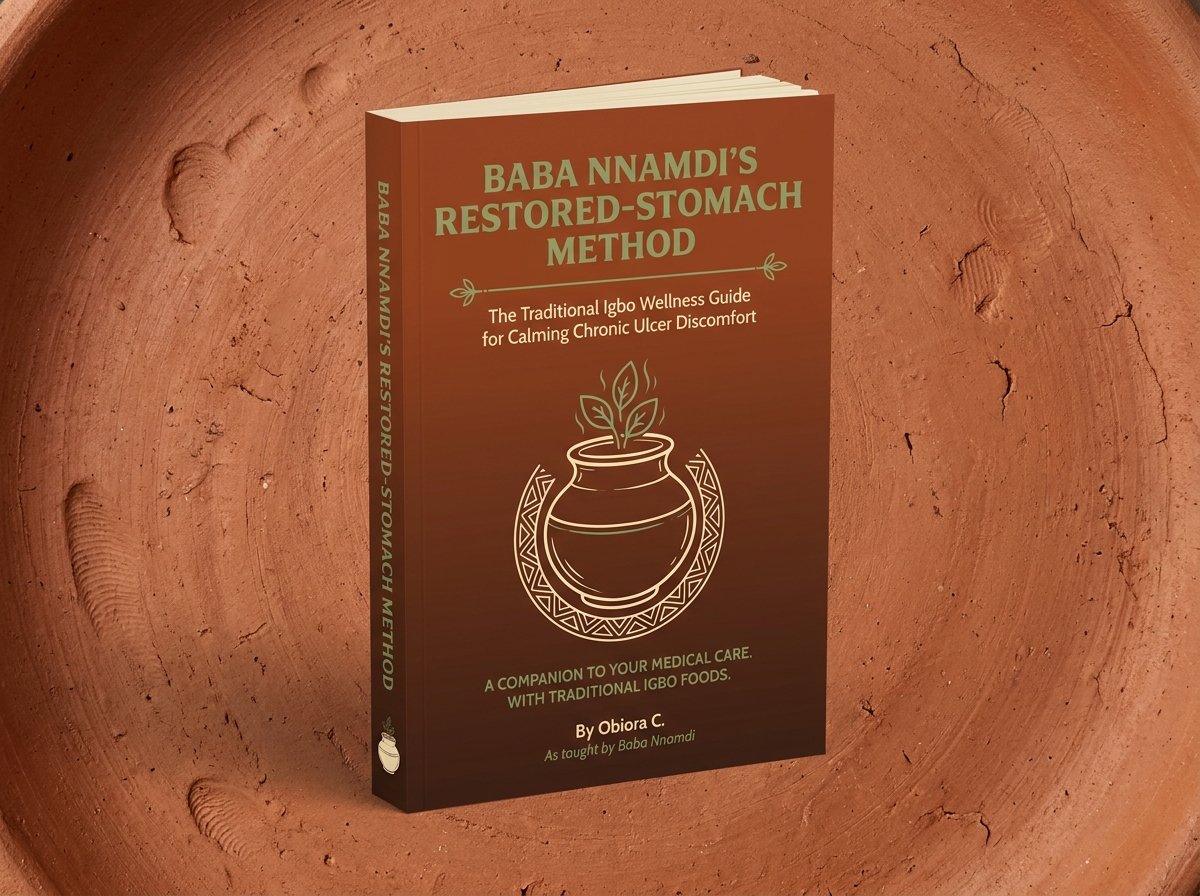
Baba Nnamdi's Restored-Stomach Method
The Traditional Igbo Wellness Guide for Calming Chronic Ulcer Discomfort
A companion to your medical care. With traditional Igbo foods. The burning quiets. The table opens.
What Other Nigerians Are Saying
Main Method: ₦25,000 value
Bonus #1 (Ulcer-Calm Food Guide): ₦5,000
Bonus #2 (Flare-Up Emergency Protocol): ₦5,000
Total Value
₦35,000
You Pay Today
₦9,800
One payment. Lifetime access. Works alongside your medication. Traditional Igbo foods.
Instant download • Both guides included • Unconditional guarantee • 100% private
Plus: 2 Essential Guides
🍃 BONUS #1: The Ulcer-Calm Food Guide
(₦5,000 Value. Yours FREE)
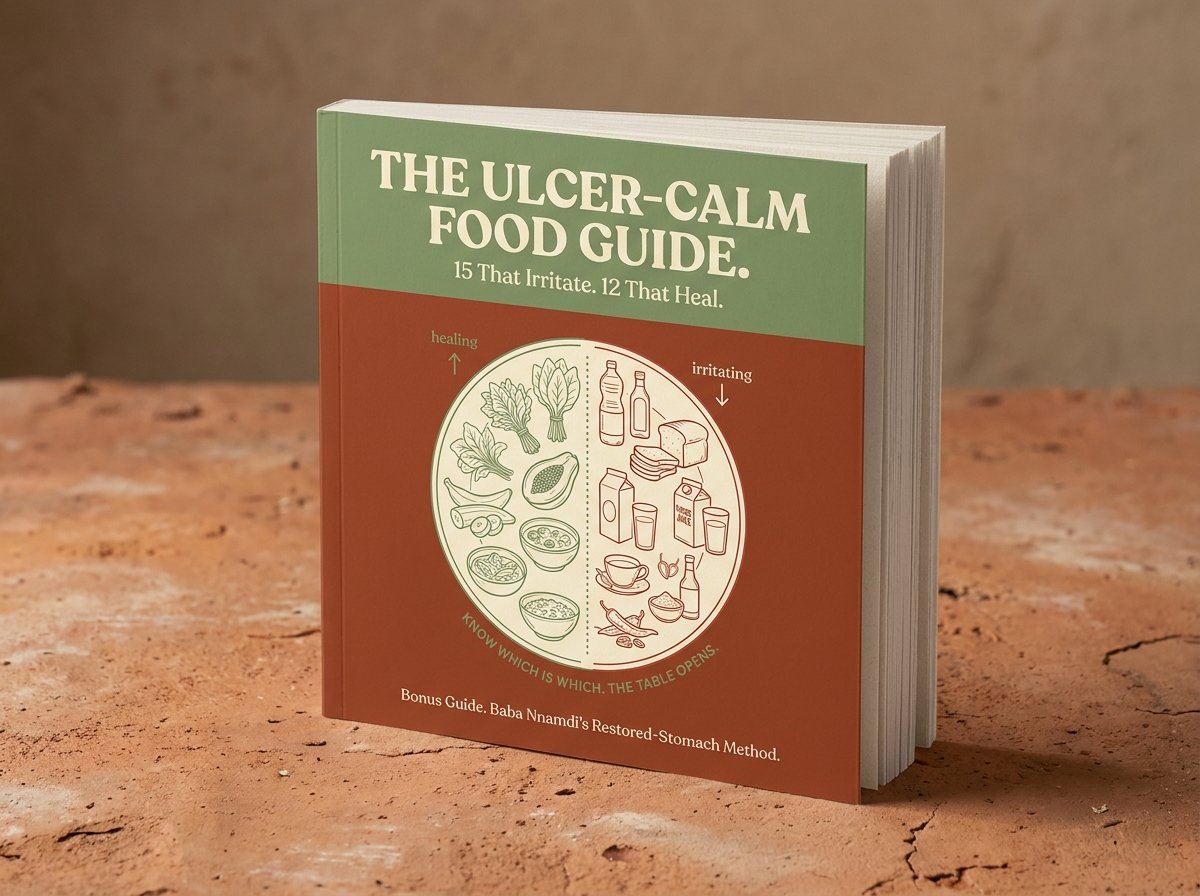
15 common Nigerian foods that irritate damaged stomach lining (including "safe" foods most ulcer sufferers eat daily). 12 Igbo and Nigerian foods that actively support lining repair. The complete 21-day meal plan. Which soups are safe. Which cooking oils to switch. Which seasonings heal instead of harm. Print it for your kitchen.
🍃 BONUS #2: The Flare-Up Emergency Protocol
(₦5,000 Value. Yours FREE)
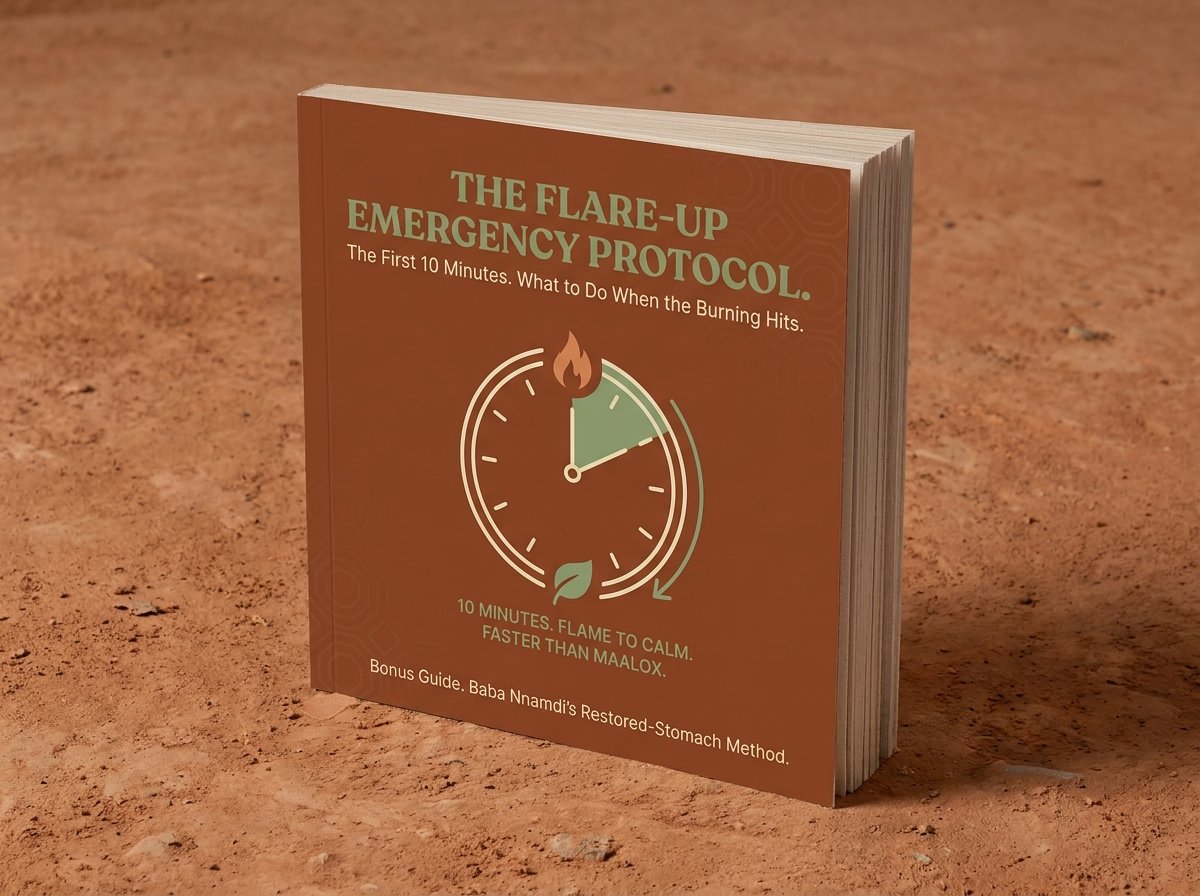
What to do in the first 10 minutes when the burning hits. The immediate relief preparation that calms acid contact with the lining faster than Maalox. What to eat and drink DURING a flare-up. What to AVOID (including one thing most people reach for that makes flare-ups worse). The 2am emergency routine.
Unconditional 14-Day Guarantee
Try the method alongside your medication for 14 days. If you're not satisfied for ANY reason, full refund. No questions asked.
You keep the method and both guides regardless.
Your stomach either calms or you pay nothing. And you keep everything either way.
Right Now, You Have a Choice
Keep Renting Relief
Another meal followed by the burning.
Another ₦1,500 bottle of Maalox for 30 minutes of peace.
Another 2am walk to the kitchen.
Another Sunday watching your family eat jollof rice while you eat boiled yam.
The lining doesn't heal on its own while you manage it. The burning continues. The Maalox bill grows. Your plate stays separate from your family's.
Heal the Wound
Imagine 21 days from now:
You eat pepper soup. No burning.
You sleep until morning. No 2am kitchen walk.
Your wife cooks one meal. Not two.
You sit at your family table eating what they eat.
₦9,800. Alongside your medication. Igbo foods that heal. The lining repairs. The burning quiets. The table is yours again.
P.S. #1: What will you eat for dinner tonight? And how long after the last bite will the burning arrive? ₦9,800 and 21 days stand between tonight's burning and the evening you eat pepper soup without consequences.
P.S. #2: Maalox costs ₦1,500/bottle. At 6 bottles/month, that's ₦108,000/year for 30-minute windows of peace. The method costs ₦9,800 once and heals the tissue the Maalox only coats. Fix the wound and the Maalox becomes unnecessary.
P.S. #3: Baba Nnamdi is 75. He eats pepper soup at family gatherings. Not because he has a strong stomach. Because he has a healed one. "The stomach is not the enemy," he says. "The stomach is wounded. Heal the wound and the enemy becomes an ally." ₦9,800 to heal yours. The table opens. The burning quiets. The family eats together again.